


Sustainability
Caring for the land and its natural resources has been central to Cakebread Cellars since the family founded the winery in 1973. This commitment guides everything from vineyard management to cellar operations and everyday business decisions. By looking after the soil, conserving water and using energy efficiently, the family aims to keep its vineyards and the surrounding landscape healthy for future generations.
Certifications, Memberships and Awards
Napa Green Winery
Cakebread Cellars became the second winery to achieve Napa Green Winery certification in 2008 and has maintained it ever since. The programme addresses water and energy efficiency, waste reduction and responsible workplace practices.
IWCA – Silver Member
Cakebread Cellars has been a Silver Member of International Wineries for Climate Action since October 2022. This international organisation brings together wineries committed to measuring their greenhouse gas emissions and taking a science-based approach to reducing them.
Bee Friendly Farming
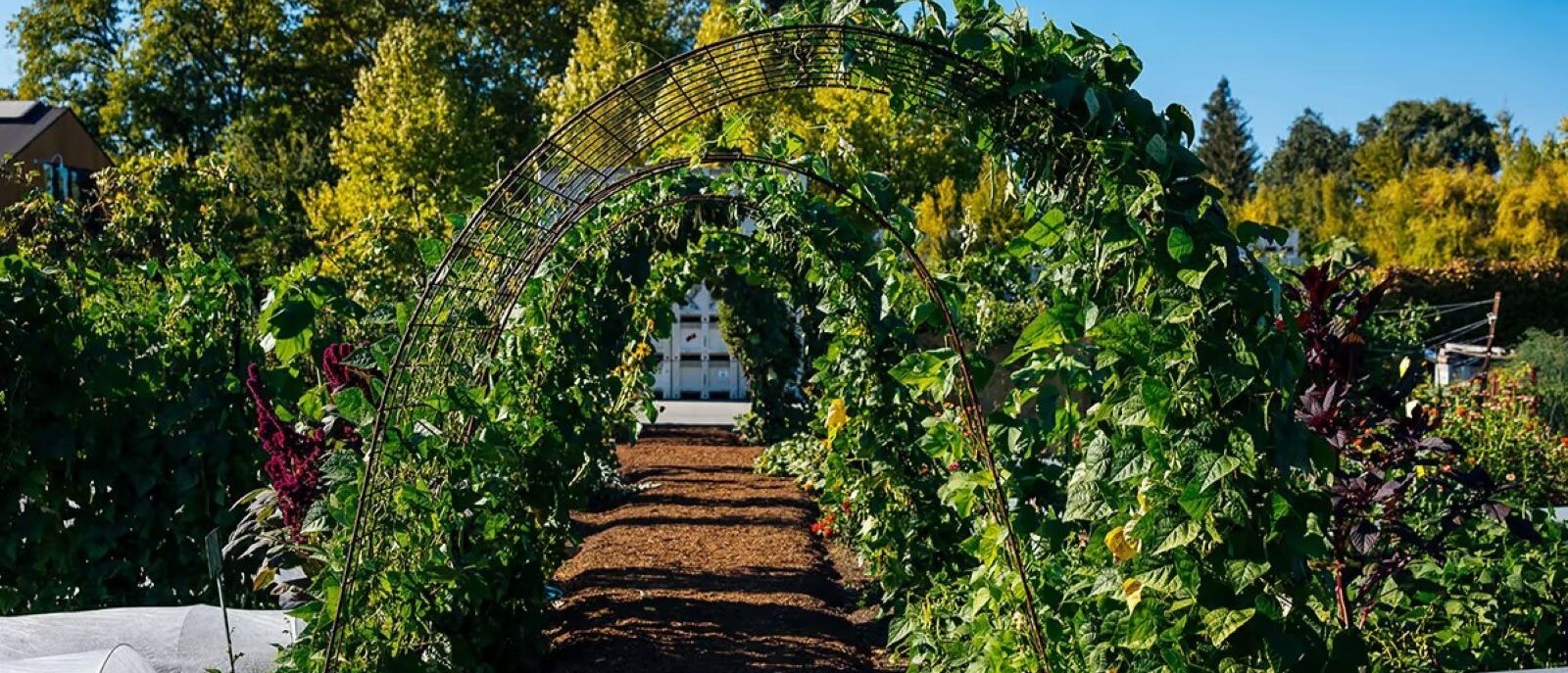
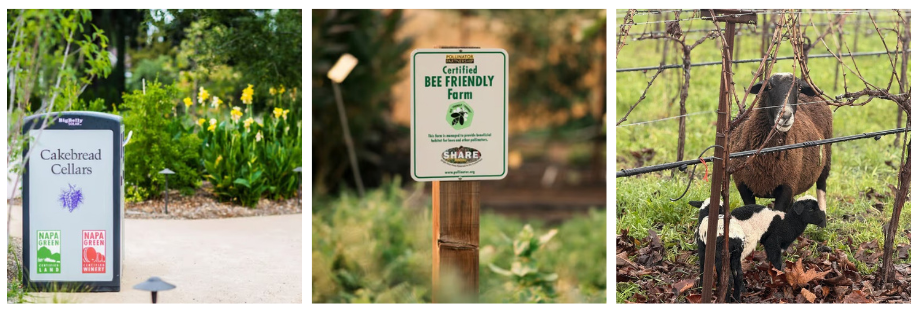
The winery’s garden is Bee Friendly Farming certified. It provides food and habitat for bees and other pollinators while supplying seasonal ingredients for the winery’s kitchen.
Fish Friendly Farming
Suscol Mountain Vineyard received Fish Friendly Farming certification in 2018. The programme promotes farming practices that protect watersheds, reduce erosion and preserve habitats for fish and other aquatic wildlife. The winery’s historical overview states that all its estate vineyards are now certified.
California Green Medal – Business Award 2018 and Community Award 2023
Cakebread Cellars received the Business Award in 2018 in recognition of its innovation, efficiency and responsible business practices. In 2023, it received the Community Award for its contribution to the local community, making it one of the wineries to have earned multiple California Green Medal awards.
Healthy Soils and Regenerative Farming
Cakebread Cellars uses cover crops, sheep grazing and compost produced on site to support soil health. Legumes help supply nitrogen, while vegetation between the vine rows protects the topsoil from erosion and provides habitat for beneficial insects. Grazing sheep help manage this vegetation, reducing the need for mechanical mowing. The winery states that it does not use herbicides or synthetic fertilisers in its estate vineyards and is also working with its grower partners to phase out herbicides.
Compost encourages beneficial soil microorganisms and helps maintain healthy, productive vines. The winery estimates that this approach could extend the productive life of its vineyards by up to fifteen years. Less frequent replanting would mean fewer heavy machinery passes and less disturbance to the soil.
Working with Nature to Protect the Vines
Owl boxes encourage natural rodent control, while falcons and netting help protect the grapes from birds. When vineyard treatments are needed, the winery uses products suitable for organic farming. Removing plants that can harbour disease, along with infected or declining vines, also helps keep the vineyards healthy.
Conserving Water and Protecting Waterways
Water used in winemaking is collected and treated in a series of three settling and aeration ponds before being reused to irrigate the vines and gardens. Sensors monitor irrigation and detect leaks, while the system delivers water directly to the roots.
The winery’s car park is also designed to capture and filter rainwater. Permeable paving, gravel beds and planted drainage channels known as bioswales slow runoff and allow water to soak into the ground. Cakebread Cellars has also taken part in the Napa River Rutherford Reach Restoration project, helping restore the river channel and replant its banks to reduce erosion and protect aquatic habitats.
A Garden that Supports Pollinators and the Kitchen
The winery’s garden covers approximately 0.3 hectares and supplies seasonal produce for its culinary programmes. Flowering plants, cover crops and hedgerows provide food and nesting sites for a variety of pollinators. Honey from the estate’s hives is also used in the kitchen, and Bruce Cakebread works with professional beekeepers to care for the bees. The garden is irrigated with reclaimed water.
Renewable Electricity and Energy Efficiency
Through MCE’s Deep Green programme, Cakebread Cellars purchases electricity generated from an equal mix of solar and wind power. At its Rutherford facility, microturbines generate power while their recovered heat is used for heating and to drive a cooling system. LED lighting, more efficient refrigeration and variable-speed pumps further reduce energy demand.
Reducing Waste, Paper Use and Transport
Solar-powered Bigbelly waste compactors reduce the space taken up by rubbish, so fewer collections are needed. Participation in the Napa Valley Forward carpooling programme helps reduce employee car journeys.
The winery reports that switching to digital communications saves more than 20,000 sheets of paper each month. Consolidating wine club deliveries into fewer shipments also helps reduce transport.


